



About 11 years ago, when she wore her NYU sweatshirt on college day, she confidently declared that she would one day become a journalist for The New York Times.
Today, that vision is no longer a teenage declaration — it’s her reality.
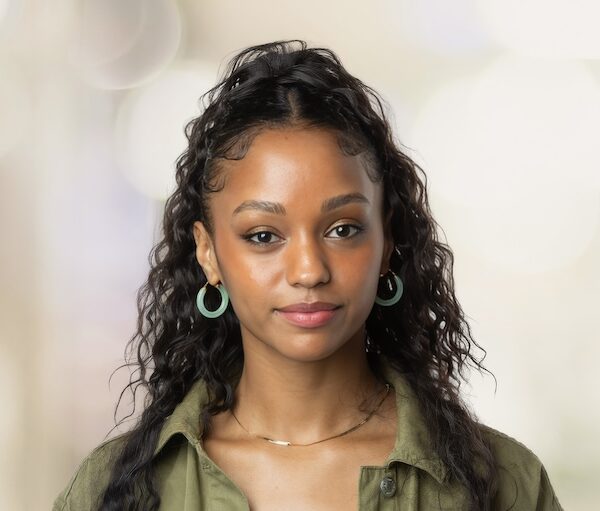
Now the co-host of The Wirecutter Show at The New York Times, she spends her days reviewing products, interviewing experts, and helping audiences make thoughtful, informed decisions about the products they use every day. But as she reflects on her journey from Flint Hill senior to media professional, what stands out most isn’t a straight line of success — it’s persistence, confidence, and the willingness to push beyond what felt comfortable.
As someone who worked closely with Caira during her time at Flint Hill, I experienced her determination firsthand — if she wanted something to happen, she made it happen. Watching her career unfold, I am struck not just by where she is, but by how clearly the seeds of this path were planted during her time at Flint Hill.
“I remember that senior day when everyone wore their college attire,” she says, laughing. “I wore my NYU sweatshirt. And I wrote down that I was going to be a journalist for The New York Times.”
It was bold. It was specific. And at the time, it was simply aspirational.
“I don’t know that I fully understood everything that came with being a journalist,” she admits. “I just knew I wanted to tell stories.”
What she didn’t fully appreciate at the time was how much of that foundation had already been laid during her time at Flint Hill — particularly outside the classroom.
At the Upper School, Caira served as chair of the Black Student Union (BSU), an experience she credits as pivotal. “That’s really where everything started,” she explains. “I was organizing events, fundraising, reaching out to speakers, sending emails — sometimes being persistent to the point of annoying. But I learned how to advocate for what I wanted.”
She personally arranged for speakers like the Tuskegee Airmen and sports journalist Jay Harris to visit campus. It required initiative, coordination, and confidence, skills she now uses daily.
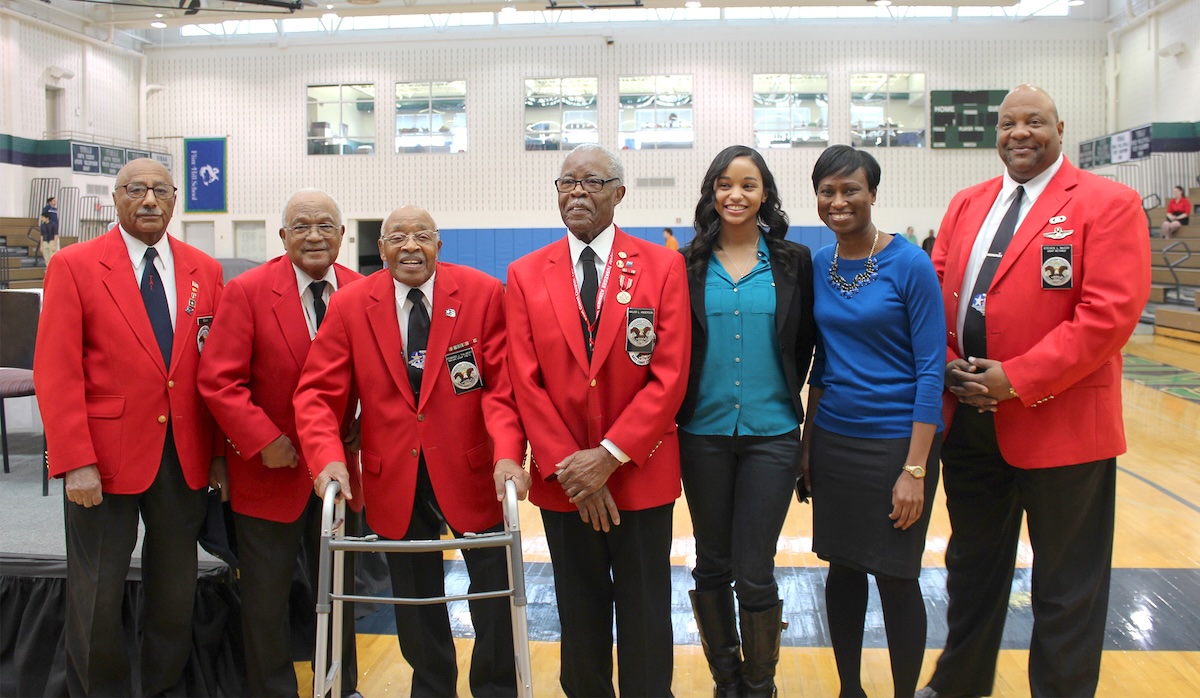
“That was the first time I realized: if I think I can do something, I can just try. And that’s how my career has worked ever since.”
While academic preparation mattered — and she notes she felt fully prepared for the rigor of New York University — she believes her greatest growth happened beyond grades and coursework. “The classroom is important,” she says. “But navigating uncertainty? Learning to hear ‘no’ and figure out how to get to ‘yes’? That’s what prepares you for the real world.”
Leaving Northern Virginia for New York City was, in her words, “like the world opening up.”
The world changes constantly. The best thing you can do is pay attention to what’s coming and prepare yourself — even if you don’t know exactly where it will lead.”
Caira Blackwell ’15
“Oakton felt like a bubble,” she reflects. “Coming to New York, I realized how much I hadn’t seen. But I didn’t feel lost. I felt excited.”
Academically, she thrived. Socially, it was more complex.
“College is about relationships and networking. I wasn’t fully prepared for how big that would be,” she says. “Breaking out of the bubble — that’s something schools can keep working on.”
She speaks candidly about navigating identity as a Black woman in predominantly white spaces — both in high school and now within a globally recognized institution.
“Some days, walking through The New York Times building feels surreal,” she says. “Other days, it’s complicated. You’re always aware of who you are and how you move through these spaces.”
Her response has been intentional mentorship. “I try to be the voice I didn’t have. If I can reach back and help someone who looks like me — or just someone who needs guidance — that matters.”
One unexpected influence? High school improv.
“I hated improv class at the time,” she laughs. “But now? It’s one of the most useful things I learned.”
As a podcast host, much of her work requires quick thinking, conversational ease, and comfort being “off script.” What once felt uncomfortable is now a professional advantage.
“You never know what’s going to come back around and serve you.”
If there’s a through line in her journey, it’s forward momentum. “In high school, I was learning how to organize and advocate. In college, I interned constantly. Most of my credits were tied to real-world work,” she explains. “Now, I’m taking courses on AI because I want to stay ahead of what’s coming next.”
Her philosophy is simple: “You can’t hurt yourself by learning something new.”
She resists offering a formula for success, acknowledging how quickly industries evolve. Instead, she emphasizes adaptability.
“The world changes constantly. The best thing you can do is pay attention to what’s coming and prepare yourself — even if you don’t know exactly where it will lead.”
When asked about the idea of “blazing the trail,” she offers a nuanced take. “A lot of institutions say they want trailblazers — but only within certain parameters,” she says. “That’s not how the real world works.”
Students, she believes, need both freedom and friction. “You need to hear ‘no’ sometimes. You need pushback. That’s how you learn to negotiate, to build consensus, to lead. Nothing meaningful is done alone.”
For her, high school wasn’t the destination — it was the launchpad.
“It was the beginning of a very long journey,” she says. “And I think I was hyping myself up for whatever I was going to become.”
A decade later, she’s still becoming. And she’s still just getting started.